

More Than the Death Road
Stories, Adventure, and the Man Behind the Ride
january 2026
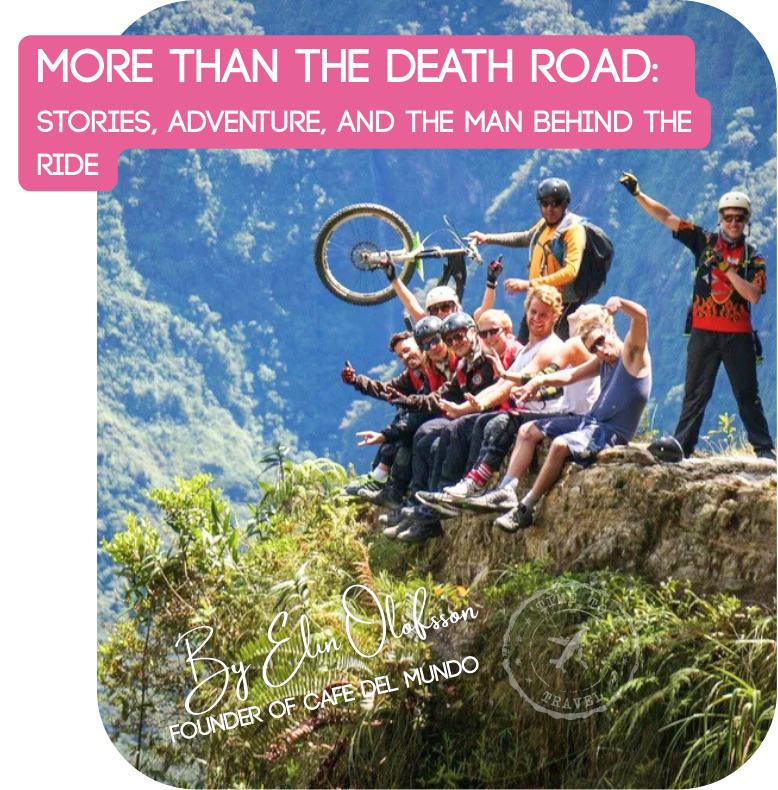

Hi, hello, and welcome back to La Paz and another blog post.
Today we’re talking about adventures, and not just any adventure. More precisely, the Death Road just outside La Paz. What it actually is, where the name comes from, and the stories behind it. One part of this post also looks at how the Death Road became one of the coolest adventures in the world, and the person behind that journey.
Riding from cold mountain air down into deep jungle is something very special, and Alister, the man who helped shape the Death Road into the experience it is today, is with us on the podcast. He shares how this adventure was created and how it became what travelers experience now.
The Road That Was Never Meant for Travelers
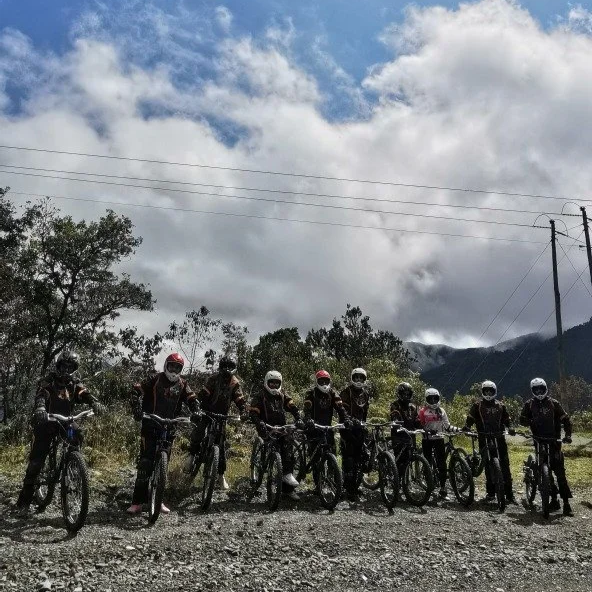
The Death Road, an adventure most travelers have heard about when arriving in La Paz, but also an experience that often comes with a lot of questions. Today, we’ll talk a little more about the historical side of the Death Road. And don’t forget to listen to the podcast episode, where one of the most knowledgeable guides, Noel, who takes travelers down the road every week, shares his experience and insights. Here
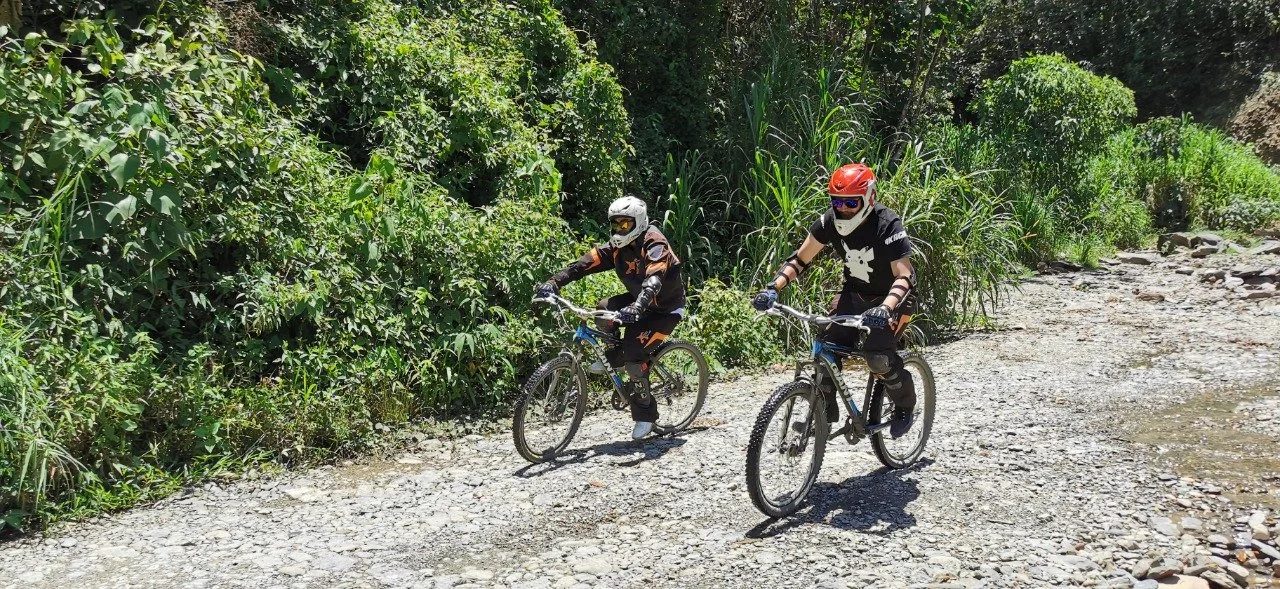
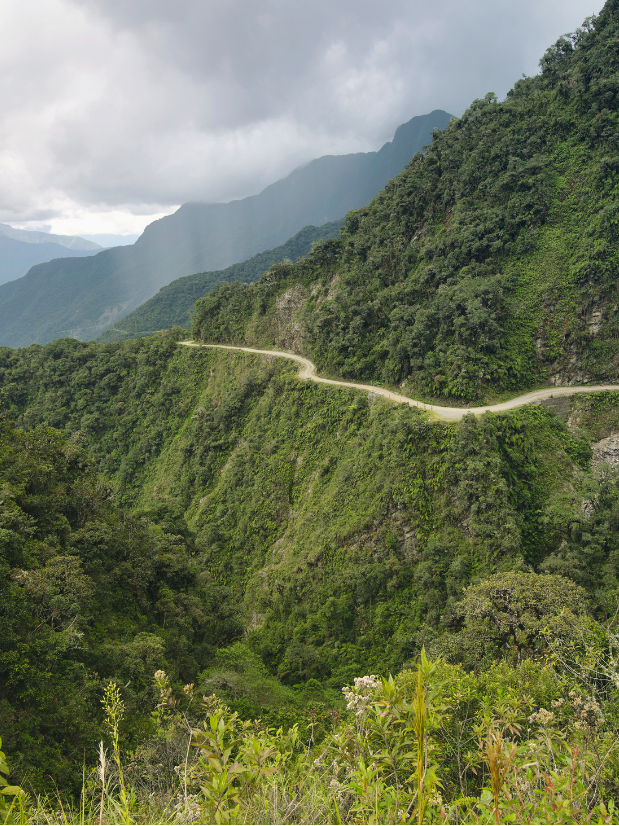
But the Death Road was never built for adventure, tourists, or bikes, it was built out of necessity. In the 1930s, the road was carved into the mountains to connect La Paz with the Yungas region, an important agricultural area that supplied the city with food. Prisoners of war were forced to build large parts of it, working in extreme conditions with very basic tools. The result was a narrow road cut into steep cliffs, with fog, rain, landslides, and almost no protection along the edge. For decades, this was the main route people used to travel between the high Andes and the jungle below. Trucks, buses, and local transport passed each other on a road barely wide enough for one vehicle. Accidents were common, and the road slowly earned its dark reputation. What started as a lifeline for connection would later become known around the world for something very different.
The Stories and Reputation That Made It Famous
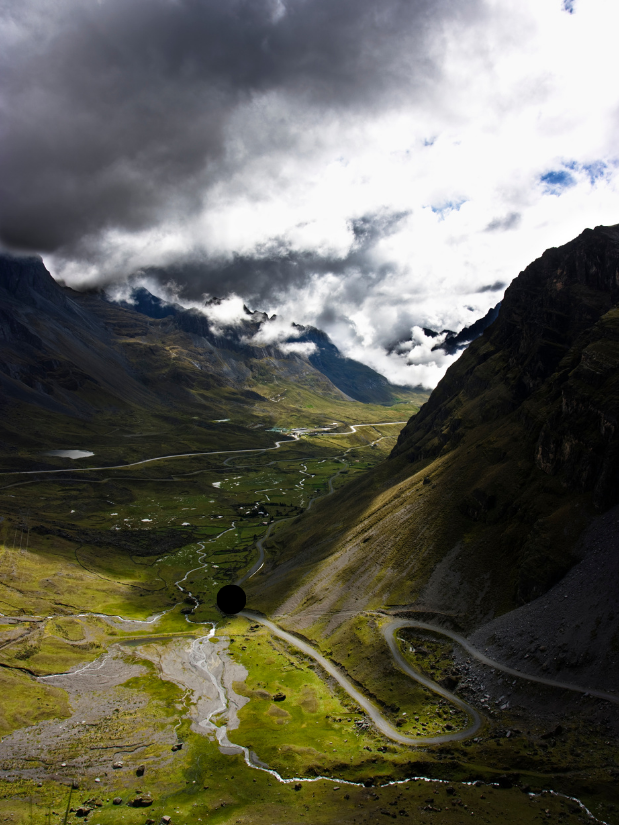
Long before most travelers arrived in La Paz, the Death Road was already known for its stories. Drivers talked about fog so thick you couldn’t see the edge, rain that turned the road into mud, and nights when getting through felt more like luck than skill. Over time, accidents became part of the road’s identity, and the name “Death Road” slowly stuck. Media picked it up, documentaries followed, and soon the road was being called one of the most dangerous in the world. For many travelers, this reputation is the first thing they hear when they arrive in La Paz. It creates curiosity, fear, and a lot of questions. What often gets lost in these stories is that this road was part of daily life for thousands of people, not a challenge chosen for fun. The reputation grew louder than the reality, and the road became a legend long before most people ever saw it.
The Road to the Yungas, Coroico, and Beyond
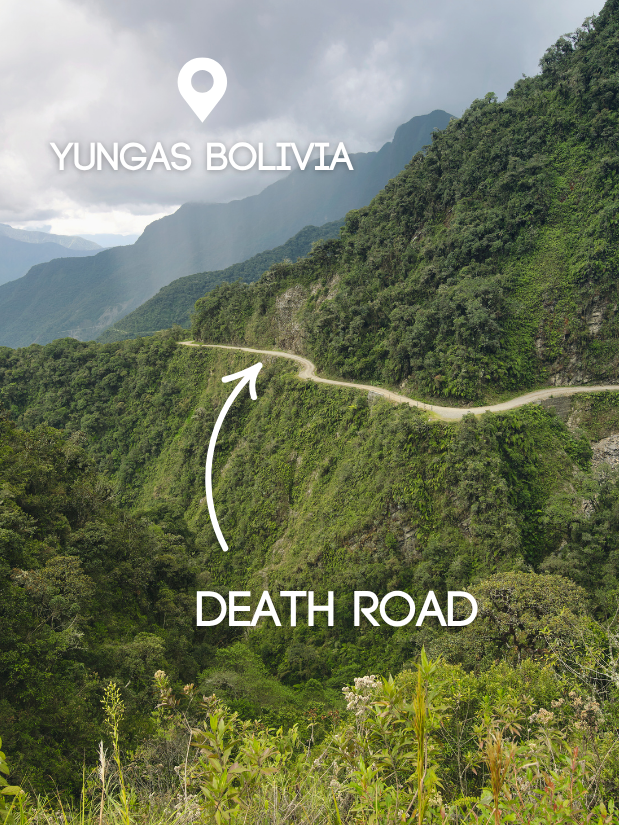
The Death Road was never just a road to nowhere, it was a way down from the high mountains into a completely different world. Starting just outside La Paz, it connects the cold Andean air with the green Yungas region below. As you go down, the landscape changes quickly, from dry and rocky to humid, green, and full of life. One of the best-known stops along the way is Coroico, a small town where many travelers end up staying longer than planned. For locals, this road meant access to warmer land, crops, and trade long before it became an adventure. From the Yungas, routes continue deeper toward the Amazon region. If Coroico caught your interest, we have a separate blog post here that goes deeper into why it’s such a special stop when traveling around La Paz and Bolivia. Even today, that feeling of moving between two very different worlds is one of the strongest parts of the journey.
When One Ride Changed Everything
In the late 1990s, a backpacker from New Zealand left his formal office job and began traveling through Asia, looking for an adventure that could become more than just a trip. The idea was to find something real enough to build a life around, instead of returning to the job he had left behind. After a while, Asia felt well explored, and many adventures were already established and structured. So he started looking for places that were less known, less developed, and still open to new ideas. That search led him to Bolivia, a country that few adventure travelers were really talking about at the time. When Alister rode the Death Road for the first time, he knew he had found something special. With just a couple of bikes, he began what would become Gravity, turning the road into an experience people could trust. In the podcast, Alister shares more about why Bolivia became the place where everything started.
The Death Road Today — Views, Nature, and the Experience
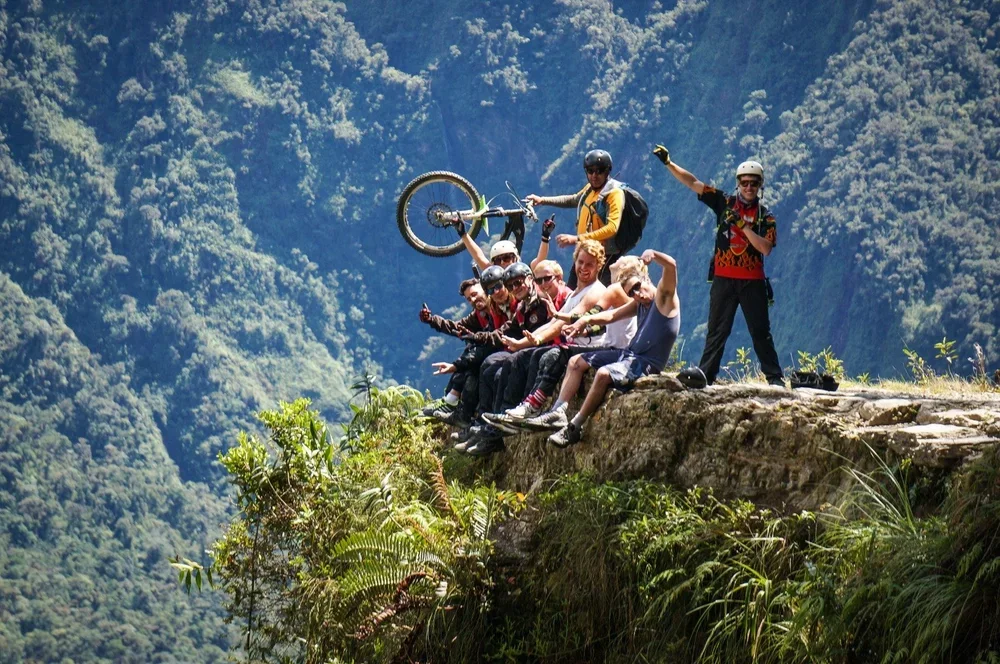
Today, the Death Road feels very different from what the name might suggest. The old road is no longer used for daily transport, which gives the experience more space and calm. What really stays with you is the way the landscape changes, from cold mountain air to green jungle in just a few hours. Along the way, you pass waterfalls, clouds moving through the valleys, and views that feel unreal at times. It’s not only about riding fast or pushing limits, but about being present in the surroundings. Many people are surprised by how much nature becomes the focus of the day. Bolivia shows a lot of its contrasts in a very short time on this road. And for many travelers, that mix of scenery and movement is what makes the experience so memorable.
Stories like this remind us that travel is often about more than the place itself. It’s about the people you meet, the choices they made, and the paths they decided to follow. The Death Road carries all of that, history, challenge, nature, and human curiosity, in one long line through the mountains. And if this sparked questions, ideas, or plans of your own, you’re always welcome to contact us for travel tips, routes, or help shaping your time in La Paz and Bolivia.

Saludos and talk soon again


newsletter
